Understanding Minimalism in Home Decor
Minimalism in home decor is defined by its core principle: “less is more.” This philosophy promotes simplicity, focusing on essential elements while discarding anything superfluous. The minimalist approach prioritizes functionality and clean lines, aiming to create a serene and well-organized environment. In this context, the design choices made are deliberate, ensuring each piece not only serves a purpose but also contributes to the overall aesthetic.
When executed thoughtfully, minimalist design can foster a sense of luxury through understated elegance. The absence of clutter creates a visually appealing space that feels open and inviting, enhancing one’s overall well-being. This calming atmosphere is cultivated by intentional selections in color palettes, textures, and materials, allowing for a cohesive and harmonious environment. Neutral hues, such as whites, greys, and beiges, commonly feature in minimalistic homes, promoting tranquility and creating an uninterrupted flow throughout the space.
Another benefit of minimalist home decor is the enhancement of spatial perception. By reducing the number of items in a room, the remaining decor can stand out more prominently, emphasizing their beauty and craftsmanship. As a result, rooms feel larger and less cramped, providing occupants with a sense of freedom and comfort. This spatial enhancement contributes positively to mental clarity and relaxation, making it easier to unwind in one’s home.
Incorporating minimalism into home decor is not solely about aesthetic value; it involves a mindful way of living. By embracing quality over quantity, individuals can curate spaces that reflect their personal style while fostering an atmosphere of peace and luxury. Ultimately, minimalist design encourages individuals to cherish the simplicity of their surroundings, allowing them to focus on what truly matters in their daily lives.


This post may contain affiliate links. I may earn a small commission at no extra cost to you.
Choosing a Color Palette for a Luxurious Minimalist Look
Creating a luxurious minimalist aesthetic begins with the selection of an appropriate color palette. In minimalist decor, the use of color is paramount as it establishes the mood and sophistication of the space. A well-chosen color palette not only enhances the visual appeal but also fosters a sense of tranquility, making it essential to choose tones that align with the overall ambiance you wish to achieve.
Neutral tones are often favored in luxurious minimalist designs. Shades such as soft whites, warm beiges, and pale grays serve as a perfect backdrop, creating a serene atmosphere that promotes relaxation. These colors reflect light beautifully, allowing spaces to appear larger and more inviting. By using a monochromatic color scheme, where varying shades of a single hue are incorporated, you can add depth to the decor while maintaining a clean and cohesive look.
While neutral palettes dominate the minimalist aesthetic, the strategic inclusion of occasional bold accents can elevate the space significantly. For instance, a vibrant piece of art or a statement furniture item in a rich color can serve as a focal point, drawing the eye and infusing personality without overwhelming the tranquility that minimalist decor embodies. This intentional use of color highlights the luxurious aspects of minimalist design by showcasing craftsmanship and attention to detail.
Furthermore, color has psychological implications that should be considered during the selection process. Calming colors like blues and greens can evoke feelings of peace, while warmer tones can add energy. Understanding the emotional responses elicited by different colors can guide your choices, ensuring that they not only please the eye but also enhance the overall experience of the space.
In the realm of luxurious minimalist home decor, texture and material selection play a pivotal role in creating an atmosphere of elegance while avoiding clutter. Minimalism thrives on simplicity, yet incorporating a variety of textures can elevate the space, making it feel both inviting and sophisticated. A well-considered combination of materials contributes to the overall aesthetic, enhancing visual appeal without overwhelming the senses.
Natural woods are a staple in minimalist designs, providing warmth and a sense of organic connection. The use of light or dark wooden tones can transform furniture and architectural elements, offering a tactile experience that contrasts beautifully with sleek surfaces. Pairing these wood elements with metals can introduce a modern edge; think brushed nickel or matte black finishes. Metallic accents in furniture or fixtures can serve as eye-catching focal points that maintain an understated elegance.
Glass is another material that harmonizes well within a minimalist framework. Clear or frosted glass surfaces can create an illusion of space and light, reflecting the surroundings without feeling intrusive. Glass accessories, whether in the form of vases, table tops, or light fixtures, add an ethereal quality to the decor, enhancing the room’s brightness while retaining the minimalist ethos.
Fabrics should also be chosen with care. Soft textiles such as linen, cotton, or wool in neutral colors can introduce warmth and comfort, inviting interaction without compromising the clean lines of the decor. Layering fabrics—like combining a wool throw with a smooth leather couch—can add depth and subtle complexity, drawing attention to the interplay of textures rather than cluttering the visual landscape.
Through thoughtful integration of these various elements, luxurious minimalist decor can achieve a delicate balance between simplicity and sophistication, resulting in a space that is not only elegant but also functional and comfortable.
Accessorizing for a Luxurious Feel without Clutter
The essence of luxurious minimalist home decor lies not only in the choice of colors and materials but significantly in the selection and placement of accessories. When curating accessories, it’s vital to choose pieces that inherently possess a sense of elegance while maintaining functionality. Statement pieces such as a sculptural vase or a designer coffee table book can serve dual purposes—they enhance the aesthetic while being useful.
Consider incorporating artwork that resonates with your personal style but harmonizes with the minimalist theme. A single large canvas or sculpture can create a focal point without overcrowding the space. It’s essential to focus on quality rather than quantity when selecting art. A carefully chosen piece can inject character and sophistication while upholding the minimalist ethos.
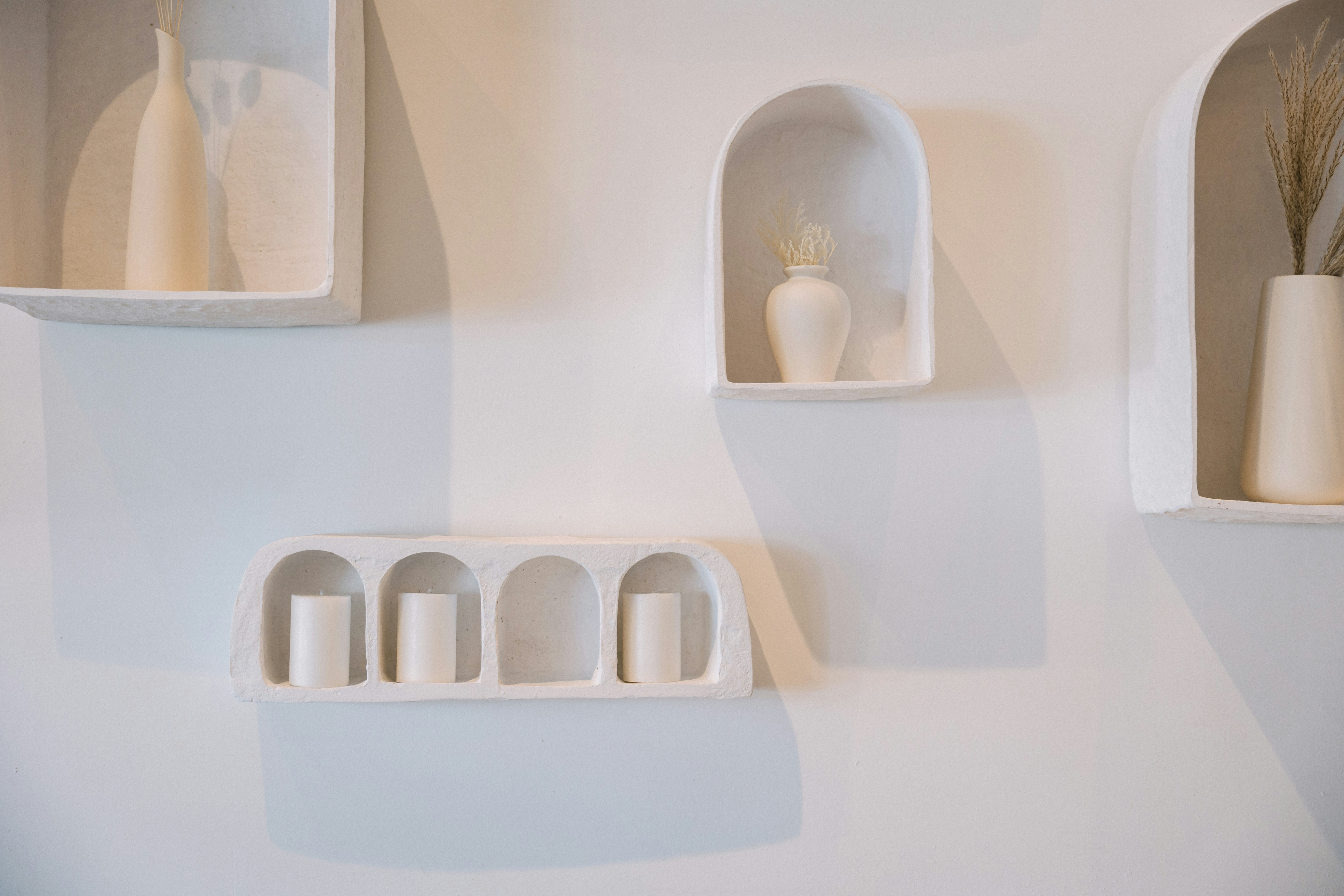
Negative space, or the area that does not contain any objects, plays a crucial role in luxurious minimalist design. By allowing ample negative space around accessories, each piece can stand out, highlighting its unique features. This approach not only creates a serene environment but also promotes a sense of elegance that is crucial to the overall minimalist concept. Avoid the urge to fill every gap; instead, let the space breathe to achieve a tranquil atmosphere.
Additionally, consider accessories that combine beauty with utility. Items like elegant storage solutions can keep clutter at bay while contributing to the decor. For instance, a stylish basket can hold blankets or magazines, serving a practical purpose and simultaneously elevating the room’s aesthetic. In conclusion, thoughtfully selected accessories can enhance the luxurious feel of a minimalist home without detracting from its essence, striking a perfect balance between beauty and functionality.