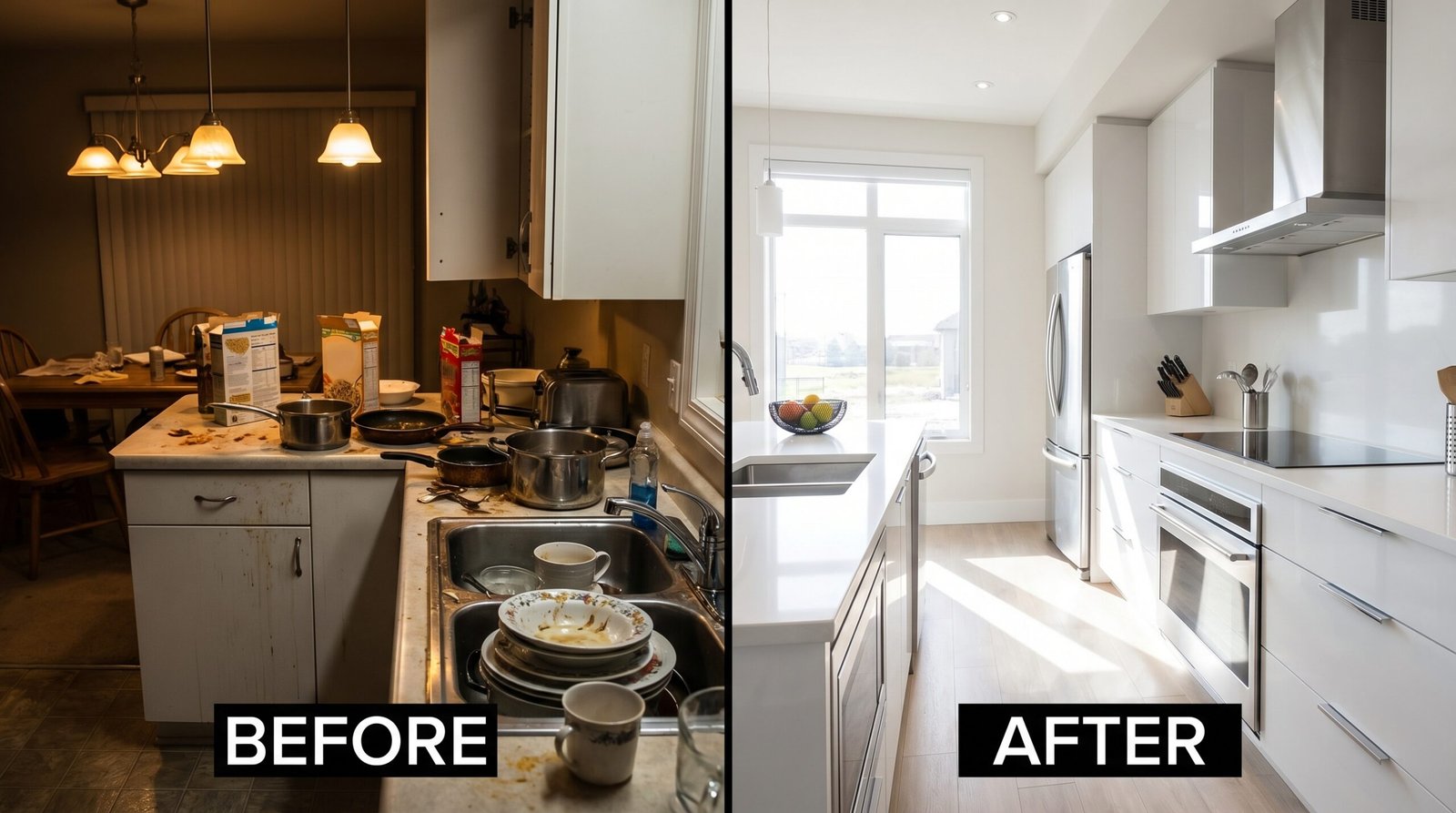
The Connection Between a Clean Kitchen and Mental Well-Being
Numerous studies have underscored the significant relationship between environmental cleanliness and psychological health. In particular, the kitchen—a central space in many homes—plays a vital role in influencing one’s mental state. When the kitchen is clean and organized, it creates a sanctuary that promotes relaxation and focus. Conversely, clutter and disarray can induce feelings of chaos, procrastination, and stress.
Research has shown that a clean kitchen can lead to decreased anxiety levels, as cleanliness fosters a sense of control and security. A study published in the journal “Personality and Social Psychology Bulletin” indicated that individuals who regularly engaged in cleaning activities experienced a reduction in overall stress and increased feelings of satisfaction. Moreover, a tidy kitchen serves as a visual cue for its inhabitants, encouraging healthier eating habits and mindfulness when preparing meals.
Experts argue that our surroundings significantly impact our mental clarity and emotional stability. The National Institute of Mental Health emphasizes that clutter can create visual distractions, which may hinder our ability to concentrate. In contrast, a clean kitchen promotes a streamlined environment, making it easier to focus on cooking and engaging in meal prep without the distraction of mess. This heightened focus can not only enhance the joy of cooking but also encourage family interaction around meal times.
In sum, establishing simple habits that prioritize kitchen cleanliness can lead to a more tranquil living space. This, in turn, enhances one’s emotional health and coping mechanisms to face daily challenges. By adopting maintenance routines that ensure a clean kitchen, individuals can ultimately foster a peaceful atmosphere that supports mental well-being and reflects positively on their lifestyle choices.
Daily Habits to Maintain a Tidy Kitchen
Maintaining a tidy kitchen is essential for fostering a serene atmosphere in the home. By implementing a few simple daily habits, individuals can significantly reduce clutter and cultivate a more organized culinary space. One effective practice is cleaning as you cook. This involves washing utensils and chopping boards immediately after use, rather than allowing them to pile up in the sink. This not only minimizes the post-cooking cleanup but also ensures that your work area remains unobstructed, allowing for a more enjoyable cooking experience.
Another habit that can greatly contribute to a clean kitchen is promptly doing the dishes. Instead of waiting until the end of the day when the dishes may seem overwhelming, individuals should aim to tackle them immediately after meals. This simple step prevents crumbs and stains from hardening, making the task less daunting. Establishing a routine, such as washing dishes right after each meal, can provide a sense of accomplishment and keep the kitchen tidy throughout the day.
Lastly, organizing pantry staples is a crucial habit that can prevent kitchen clutter. Group similar items together, such as canned goods, grains, and spices, in easily accessible containers. Use clear bins to see what is available, ensuring that food items do not spoil due to forgetfulness. Regularly checking and rotating stocks will not only keep the pantry organized but also promote the use of older ingredients, reducing waste.
Incorporating these simple yet effective habits into daily routines can lead to a tidy kitchen and a calm mind. The consistent effort of staying on top of cleaning tasks makes a significant difference over time, transforming the kitchen into a space that supports productivity and peace.
Creating a Kitchen Cleaning Schedule
Establishing a kitchen cleaning schedule is essential for maintaining a clean and stress-free environment. By tailoring this schedule to your lifestyle and household dynamics, you can ensure that the task of cleaning does not become overwhelming. A practical approach involves breaking down cleaning tasks into daily, weekly, and monthly responsibilities, allowing for consistent maintenance.
For daily tasks, consider simple activities that can be incorporated into your routine. These may include wiping down countertops, washing dishes after each meal, and sweeping the floor to deal with crumbs and debris. A quick 10-minute tidy-up session each evening can significantly alleviate clutter and make the kitchen feel more inviting. Additionally, encouraging family participation in these daily chores can foster a sense of cooperation and shared responsibility.




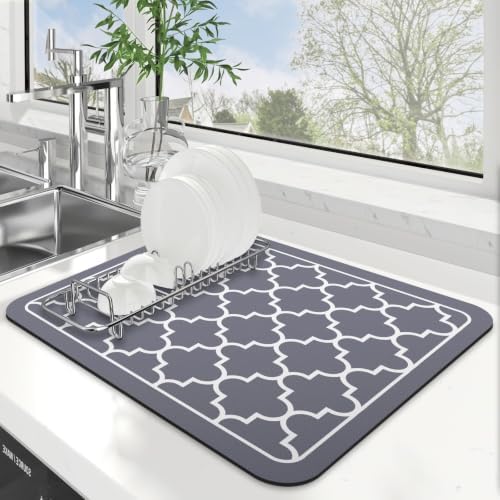
Weekly cleaning duties should encompass more thorough tasks that enhance overall kitchen hygiene. Allocate a specific day for these activities, which could involve mopping the floor, disinfecting surfaces, and cleaning the microwave and oven. If you have a larger family or live with roommates, dividing these tasks among household members can ensure that no one person bears the burden alone, making it easier to maintain a tidy kitchen.
Monthly tasks can include deeper cleaning and organization efforts, such as emptying and cleaning the refrigerator, decluttering cabinets, and assessing pantry items for expiration dates. These larger tasks can be planned around one’s schedule, allowing flexibility in their execution. Moreover, individuals with busier lifestyles might consider planning intensive cleaning sessions over weekends or during quieter times of the month, to ensure the kitchen remains in a manageable state.
By developing a kitchen cleaning schedule that reflects your home’s unique needs, you cultivate habits that contribute to a more organized and serene living space. Regular maintenance is vital, and a well-structured plan can help minimize stress and overwhelm associated with cleaning tasks.
Mindfulness Practices in the Kitchen
Incorporating mindfulness into cooking and cleaning routines can transform mundane household chores into calming rituals. Mindfulness, characterized by a heightened awareness of the present moment, fosters a sense of tranquility that can permeate the entire home environment. By focusing on the sensory elements of cooking, such as the vibrant colors of fresh ingredients or the comforting aromas released during cooking, individuals can enhance their culinary experience while grounding themselves in the moment.
During the process of meal preparation, taking a moment to appreciate the textures and smells can not only improve the overall cooking experience but also act as a form of meditation. Engaging the senses helps to shift attention away from distracting thoughts and cultivates a deeper connection with the act of creating a meal. For instance, as one chops vegetables or stirs a pot, being conscious of these actions allows for a meditative state to emerge, contributing to a reduced level of stress.
Similarly, integrating mindfulness into cleaning routines can transform them into opportunities for introspection and relaxation. As one cleans, they can practice focusing on the physical sensations of scrubbing surfaces or wiping down counters. This practice can also serve as a time for reflection, allowing individuals to clear their minds of clutter while undertaking these tasks. When the kitchen is decluttered and sparkling clean, the result is not just a physically tidy space but also a mentally serene one.
Furthermore, using cleaning time as a form of gentle meditation can lead to a more peaceful atmosphere. One can even combine rhythmic breathing with movements during cleaning activities, effectively turning a chore into a mindful practice. By cultivating such mindfulness in the kitchen, one contributes to a serene and harmonious home environment, fostering a deeper sense of calm in daily life.
This post contains affiliate links. If you choose to purchase through them, I may earn a small commission—at no extra cost to you. Thank you for supporting mindful content like this.